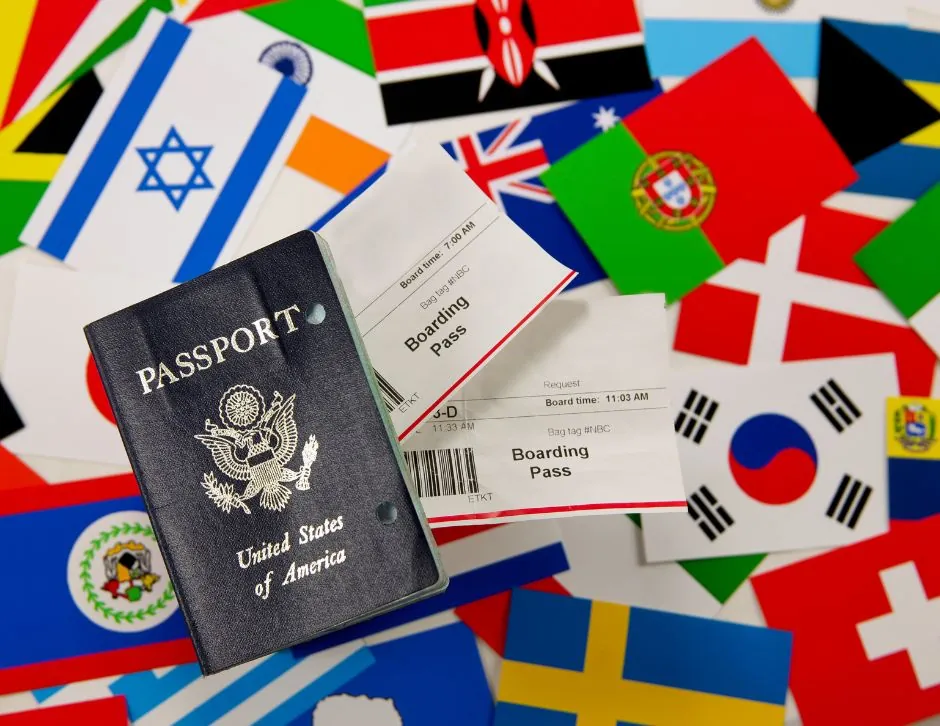
Driving while intoxicated, or DWI, charges in California are very serious. Often referred to as DUI offenses, a DUI conviction can lead to heavy fines, a suspension of a driver's license, and even jail time in certain situations. For those who don't speak English well, these situations can be very stressful and confusing. Many people in this situation often wonder, "Is not speaking English a defense for a DWI in CA?"
The short answer is "no." Simply not speaking English is not a direct DUI defense. However, a language barrier could affect your case, especially when it comes to communication, understanding your rights, and how accurate field sobriety tests are.

Why Language Barriers Matter in DUI Cases
During a traffic stop for suspected DUI, clean communication between the driver and the officer is so important. A police officer may give instructions, ask questions, and observe behavior to determine if a DUI arrest is necessary. Even if a person isn't intoxicated, not understanding English may lead to:
- Confusion when answering questions
- Difficulty following instructions
- Delayed or incorrect responses
- Behavior that may appear suspicious
To a police officer, these issues might look like signs that the driver is intoxicated, but in reality, they just might not understand what the officer is asking.
Field Sobriety Tests, DUI Arrests, and Misunderstanding Instructions
Field sobriety tests, or FSTs, are a part of many investigations for DWI. These tests often require the driver to follow specific verbal commands like walk in a straight line, turn in a specific way, or balance on a particular leg.
For a person who doesn't speak English well, these instructions can be difficult to understand. Even a small miscommunication can lead to a mistake. This can cause an officer to interpret the error as impairment.
The results of these tests can be used as evidence in court, even if the poor performance was caused by language issues rather than alcohol or drugs.
The Importance of Understanding Your Rights
When a person is arrested for DWI, typically, they are informed of their legal rights. This includes the right to an attorney and the right to remain silent. Oftentimes, these are explained in English. If a driver doesn't fully understand English, however, they might not understand their rights. This can lead to issues like:
- Saying something that could be used against them
- Agreeing to tests or statements without full understanding
- Failing to ask for a DUI attorney
In these cases, common defenses for DUI charges will include the fact that the person didn't understand their rights. Not speaking English well does not by itself defeat a DUI charge, but a language barrier can matter in several ways. It can support a motion to suppress statements if there was a custodial interrogation and the driver did not understand the Miranda warnings. It can also support a challenge to the reliability of field sobriety tests if the driver did not understand the instructions, and it can be used to contest a refusal finding if the officer did not adequately give the implied consent admonition. They can also advise on understanding how medical conditions can lead to a false DWI arrest.
Chemical Tests and Implied Consent
California uses implied consent law, which means that a driver agrees to take a chemical test if they are lawfully arrested for DWI. These tests, a breathalyzer test or blood test, can determine if a person is under or over the legal limit for driving. If a person refuses these tests, California DUI laws come into play and they can automatically lose their license, even without a full DUI investigation.
However, for the consent to be valid, the driver must understand what is being asked of them. If a person doesn't understand English, they also might not understand:
- That they are required to take a test
- The consequences of refusing
- What type of test is being offered
This is an important issue in a DWI case. DUI lawyers might argue that the driver didn't knowingly refuse or agree to the testing because of their language barrier. For more information, a criminal defense attorney in Sacramento CA may be able to help.
Can Language Barriers Help Your Defense?
Not speaking English is not a defense strategy for drunk driving on its own, but it can be used by a DUI defense attorney to support other defense strategies. Some common defenses for both felony DUI and misdemeanor DUI charges include:
Lack of Probable Cause
A police officer might have a reason to arrest someone for DWI like smelling the odor of alcohol or slurred speech. If they relied on speaking to a person who doesn't fully understand English, however, the decision to arrest the person may be questioned by the defense lawyer on the case.
Unreliable Field Sobriety Test Results
If a person didn't understand the instructions for a field sobriety test, the results might not be reliable. It's definitely possible for a misdemeanor or felony DUI attorney to argue that the tests were not conducted fairly or accurately. They can consult on open container vs DWI in CA as well.
Invalid Consent or Refusal
If a person doesn't understand what is being asked regarding tests for blood alcohol concentration, any consent or refusal that leads to license suspension or other consequences of refusal can be challenged.
Misinterpretation of Behavior
Officers often rely on observations such as nervousness, lack of eye contact, or slow responses. These behaviors can easily be explained by a language barrier rather than intoxication.
The Role of Interpreters
Some law enforcement agencies have access to interpreters or translation services. These tools can be useful if they are available during DUI checkpoints or arrests. However, interpreters aren't always used, and if they are not, it can increase the risk of misunderstanding.
What Courts Consider in These Cases
Courts do not excuse DWI charges simply because a person does not speak English. However, they do consider whether the process was fair.
Key questions may include:
- Did the driver understand the officer’s instructions?
- Were translation services available or offered?
- Did the language barrier affect the driver’s behavior or responses?
- Was the driver properly informed of their rights?
If the answer to these questions raises concerns, it may weaken the prosecution’s case.
Work with the Right DUI Attorney for a Solid Defense Strategy
Not speaking English isn't a direct defense to a driving under the influence charge, however, it can play a role in how the case is handled. Language barriers can lead to misunderstandings, poor performance on field sobriety tests, and not understanding what is happening.
Clear communication is a fundamental part of the legal system. When that communication breaks down, it can have serious consequences—but it can also open the door to important legal defenses.
Goss Law is a firm that can help those who have been charged with DWI. Free consultations are available.
Need help with a case in Sacramento? Read about my DUI defense work, or tell me what happened.
This post is general information about California law, not legal advice about your situation. Laws change, and every case is different. For advice about your case, talk to a lawyer.