

The moment a suspect knows that there is an arrest warrant issued for their apprehension, the world may seem to have turned upside down. Often, the fear of incarnation battles with that of evading the police.
It is not easy to know whether turning themselves in is the right thing to do or not. As such, the question, "How long do you have to turn yourself in after a warrant in CA?" is a difficult one to answer.
The solution to all this is usually to pick up the phone and call a good California criminal defense attorney before doing anything that may jeopardize the case.
Attorney Blair Goss at Goss Law can guide suspects as they deal with their arrest warrants, impending police encounters, and possible trial.
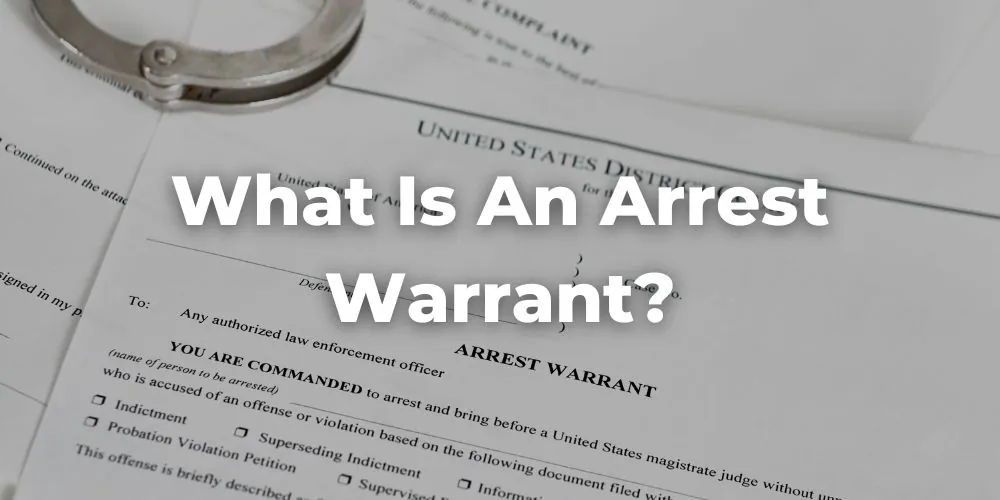
What Is an Arrest Warrant?
In California, an arrest warrant is an authorization that is given to a law enforcement officer to find, apprehend, and detain an individual suspected of having committed a crime while there were no police present.
This type of warrant has to be signed by a judge for it to be valid, and it usually results in specific charges being filed soon after the arrest.
Judges will only agree to issue an arrest warrant if there is strong evidence to believe the charges are valid or after a grand jury indictment of the suspect. As such, warrants of this kind are very serious, and legal help should be sought as soon as possible.
A valid arrest warrant needs to have the following components:
- Name of the defendant
- Time of issuance
- Name of the court
- Signature and title of the judge
- City or county of issuance
- Crime they are accused of committing
Other Types of Warrants
The following are two other types of warrants that also need to go through a judge before the police officer can act on them:
Bench Warrant
A bench warrant is issued directly from the judge during the legal process of a court case. It is usually done in response to a defendant's failure to appear in court or being held in contempt after going against the judge's orders.
Search Warrant
If police officers suspect that a person may be withholding important evidence of a crime, a search warrant may be issued to allow them to look at the individual's home, vehicle, clothing, bags, or electronic devices. However, this, too, is only valid if a judge agrees and signs the warrant.
Who Usually Issues Arrest Warrants in California?
When investigating the validity of an arrest warrant, a good California criminal defense lawyer will usually look at the person named as being responsible for issuing it. In California, arrest warrants are issued by state superior court judges or magistrates. A blue warrant is different: it is a parole hold warrant.
An arrest warrant can only be approved if members of a law enforcement agency bring forth enough evidence to arrest and charge a suspect or if a grand jury indicts them.
How Does an Offender Know They Have an Outstanding Warrant?
If a suspect has not been contacted by the police to tell them that a warrant has been issued for their arrest, one way of finding out is through running an online search. This, of course, means the person may already suspect that they may be arrested.
There are particular websites where the court clerk can enter notifications about the arrest warrant, such as:
- The website of the Superior Court of California
- A local court's website
- The local sheriff's website
If these places do not yield results, the individual can approach a California criminal defense lawyer and determine the best course of action.
How Do Law Enforcement Officers Execute Arrest Warrants?
Law enforcement officers normally have various factors that they consider when planning to arrest suspects, such as their habits and whether or not they are considered dangerous.
In most cases, the police will attempt to make an arrest at the person's residence. However, to enter a suspect's home, the police must have either a valid search warrant or reasonable cause to believe that they can lawfully go in.
One thing most people do not know is that police do not need to have the actual copy of the arrest warrant with them when they apprehend the suspect. Under Penal Code 842, if the person asks to see it, the officer must show the warrant as soon as practicable.
Does a Warrant Expire?
No. Arrest warrants and bench warrants in California do not expire. They stay active until the person is arrested or the court recalls the warrant.
Waiting adds risk. The longer a warrant is outstanding, the more likely an arrest happens at a bad time, such as during a traffic stop, at work, or in front of family. Leaving the state can be treated as fleeing, which can hurt bail and release decisions. For a felony, crossing state lines to avoid prosecution can also be a federal crime.
A criminal defense attorney in Sacramento can often arrange for the person to walk in to court on a set date, or ask the court to recall the warrant, instead of waiting to be arrested.
Does an Arrest Warrant Show up in Criminal Background Checks?
Depending on how thorough the background check is, there is a chance that the arrest warrant may show up. Also, if the history check is done in another state, only very serious crimes may show up.
Is It Possible to Fight an Illegal Arrest Warrant?
With a good defense attorney on the case, no charge or warrant of arrest cannot be challenged.
However, approaching the lawyer as soon as possible will give them time to prepare a strategy to get the case dismissed. Scrutinizing the legality of the arrest warrant is one of the ways of doing this.
Should Defendants Simply Turn Themselves In?
The temptation to simply walk into the police station and get everything cleared out can be overwhelming if a person thinks they are innocent. However, the risk of incriminating themselves must be weighed carefully.
As such, it is best to approach a good attorney and seek advice on how best to respond to an arrest warrant issued in California. They can also answer questions such as what is a blue warrant in CA?
Need a Criminal Defense Attorney? Goss Law Can Help
Attorney Blair Goss at Goss Law helps clients deal with arrest warrants and bench warrants in Sacramento and nearby counties. Phones are answered 24/7, and the answering service can book a free phone consultation with Blair, usually the same day.
Need help with a case in Sacramento? Read about my criminal defense work, or tell me what happened.
This post is general information about California law, not legal advice about your situation. Laws change, and every case is different. For advice about your case, talk to a lawyer.