It might sound like a joke when someone asks, "Can you get a DUI on a horse in California?" but this is actually a very valid question. There are plenty of stories out there, both in California and across the country, of intoxicated people on horseback. It also brings up questions about how California DUI laws actually work.
In California, someone riding a horse on a public road while drunk can be arrested for DUI. Vehicle Code section 21050 says anyone riding an animal on a highway has the same duties as a vehicle driver under the part of the Vehicle Code that includes the DUI laws. Whether the DUI statute (Vehicle Code 23152) can actually be applied to a rider hasn't been settled by a published appellate case, so the law is unsettled.
Off the road, other criminal penalties may apply, and some may be serious. Goss Law can also explain questions like does California have castle doctrine?
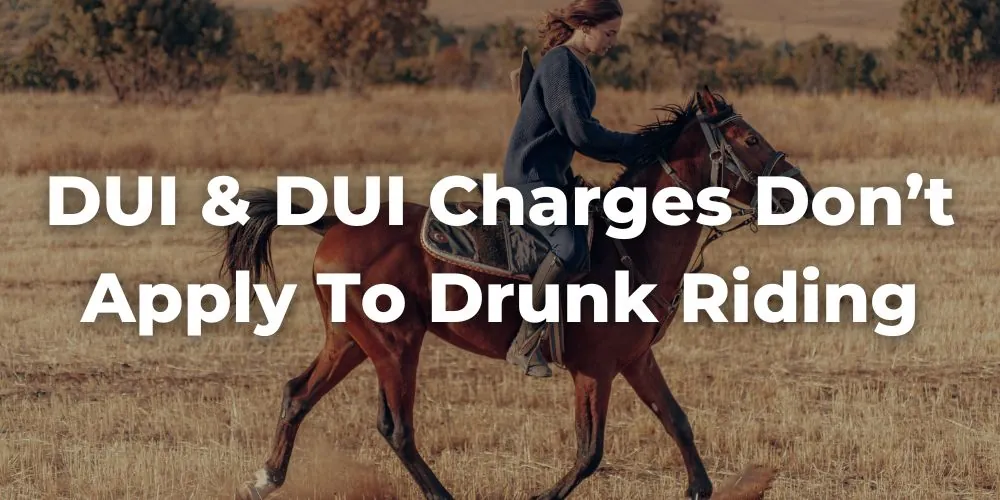
How California DUI Laws Apply to Horseback Riders
California DUI laws focus on people operating vehicles while under the influence of alcohol or drugs. Under state law, it's illegal to drive a vehicle while impaired. The question is: how does California law define a "vehicle."
A horse is not a motor vehicle. But under Vehicle Code 21050, a person riding an animal on a highway is subject to the same duties as a driver, except for rules that can't logically apply. In September 2023, the California Highway Patrol in Merced arrested a horseback rider for DUI and cited that statute. You can also get a type of DUI case if you are riding a bicycle, though that is a different law. On a public road, a drunk rider can be arrested for DUI. Off-road, public intoxication (Penal Code 647(f)) and other charges may apply.
Why Intoxicated Horseback Riding Can Still Cause Problems
Apart from a possible DUI charge, intoxicated riders can create dangerous situations. A horse is a large and sometimes unpredictable animal. A person who is under the influence of drugs or alcohol may not be able to control the horse around traffic, pedestrians, cyclists, intersections, or in crowded public areas.
If the rider behaves recklessly or creates a public safety issue, law enforcement can intervene and other charges could occur. Goss Law can also help with questions like what is felony speeding in California?
Public Intoxication Charges are Different Than Driving Under the Influence Charges
One of these possible charges is public intoxication. This is different from a DUI charge.
Under California Penal Code section 647(f), a person may face criminal charges if they are intoxicated in public to the point where they cannot care for their own safety or the safety of others.
An intoxicated person who is riding a horse near traffic, for instance, could create an unsafe environment. In this case, it's not so much if they are over the legal limit or not, but how their behavior is. Charges may be filed depending on:
- The rider’s behavior
- The level of impairment
- Traffic conditions
- Whether anyone was endangered
- Whether the rider was causing a disturbance
Police officers have significant discretion in these situations.
Reckless or Dangerous Behavior
Along with or instead of a DUI charge, an intoxicated person on horseback may also face charges of reckless or dangerous behavior. Possible charges include:
- Reckless conduct
- Obstructing traffic
- Disorderly conduct
- Disturbing the peace
For example, if someone rides a horse through a busy roadway while intoxicated, officers may view the conduct as dangerous and may also arrest the rider for DUI.
If injuries or property damage occur, the legal situation can become much more serious and come with severe penalties.
What Happens if an Accident Occurs?
Horse-related accidents can be very complicated, oftentimes even more complicated than traditional DUI cases.
If an intoxicated rider causes an accident while riding drunk, law enforcement will certainly investigate. On top of that, victims who were injured can file a civil liability claim, which might involve medical expenses, property damage, lost wages, and pain and suffering.
Horseback riders who are intoxicated and cause accidents could face both criminal and civil cases. For more information, a criminal lawyer in Sacramento may be able to help.
Horses on California Roads
California law does allow horses on some public roads under certain circumstances.
Riders generally must follow applicable traffic rules while sharing the roadway with vehicles.
Drivers are also expected to use caution around horses because sudden noise, speeding, or aggressive driving can spook animals and create dangerous situations.
An intoxicated rider may have slower reaction times and impaired judgment, making it harder to safely manage the horse near traffic.
Even experienced riders can lose control in stressful roadway conditions.
Can Police Still Make an Arrest?
Yes. Police officers can still arrest or detain someone riding a horse while intoxicated if they believe a crime or public safety issue exists.
Officers responding to these situations may consider:
- Whether the rider appeared heavily impaired
- Whether traffic was affected
- Whether the horse created a danger
- Whether injuries occurred
- Whether property damage happened
In some cases, officers may simply remove the rider from the situation or arrange transportation home. In others, criminal charges may follow.
Could Animal Cruelty Issues Arise?
In extreme situations, intoxicated horseback riding could potentially lead to concerns involving animal neglect or cruelty.
For example, if a rider’s impairment places the horse in obvious danger, authorities may investigate whether the animal was being mistreated or recklessly handled.
These situations are uncommon, but they can happen when alcohol or drug use significantly affects the rider’s ability to care for the animal safely.
Why These Cases Depend on Specific Facts
Because the law on DUI for horseback riding is unsettled, these cases often depend on the surrounding circumstances.
Important factors may include:
- The rider’s level of intoxication (blood alcohol concentration/blood alcohol level)
- Where the incident occurred
- Whether traffic was involved
- Whether injuries happened
- Whether the person riding cooperated with police
A quiet horseback ride on private property creates a very different situation than riding intoxicated through a busy Sacramento roadway late at night.
Understanding California Law and Criminal Charges on Horseback Riding and DUI
On a public road, a drunk rider can be arrested for DUI under Vehicle Code 21050, though the law is unsettled.
Intoxicated horseback riding can also lead to other legal problems if the rider creates a danger to public safety or behaves recklessly.
Depending on the situation, police may investigate public intoxication, disorderly conduct, reckless behavior, or other related offenses.
For people facing criminal allegations in Sacramento, understanding how California law applies in unusual situations involving alcohol and public safety can be important after an arrest or police investigation.
If you need a DUI defense in a motor vehicle case, or criminal charges that stem from horseback riding, reach out to Goss Law. Free consultations are available now.
Need help with a case in Sacramento? Read about my DUI defense work, or tell me what happened.
This post is general information about California law, not legal advice about your situation. Laws change, and every case is different. For advice about your case, talk to a lawyer.